
Transport for London Unveils Solar Power Partnership and Orbital Rail Expansion
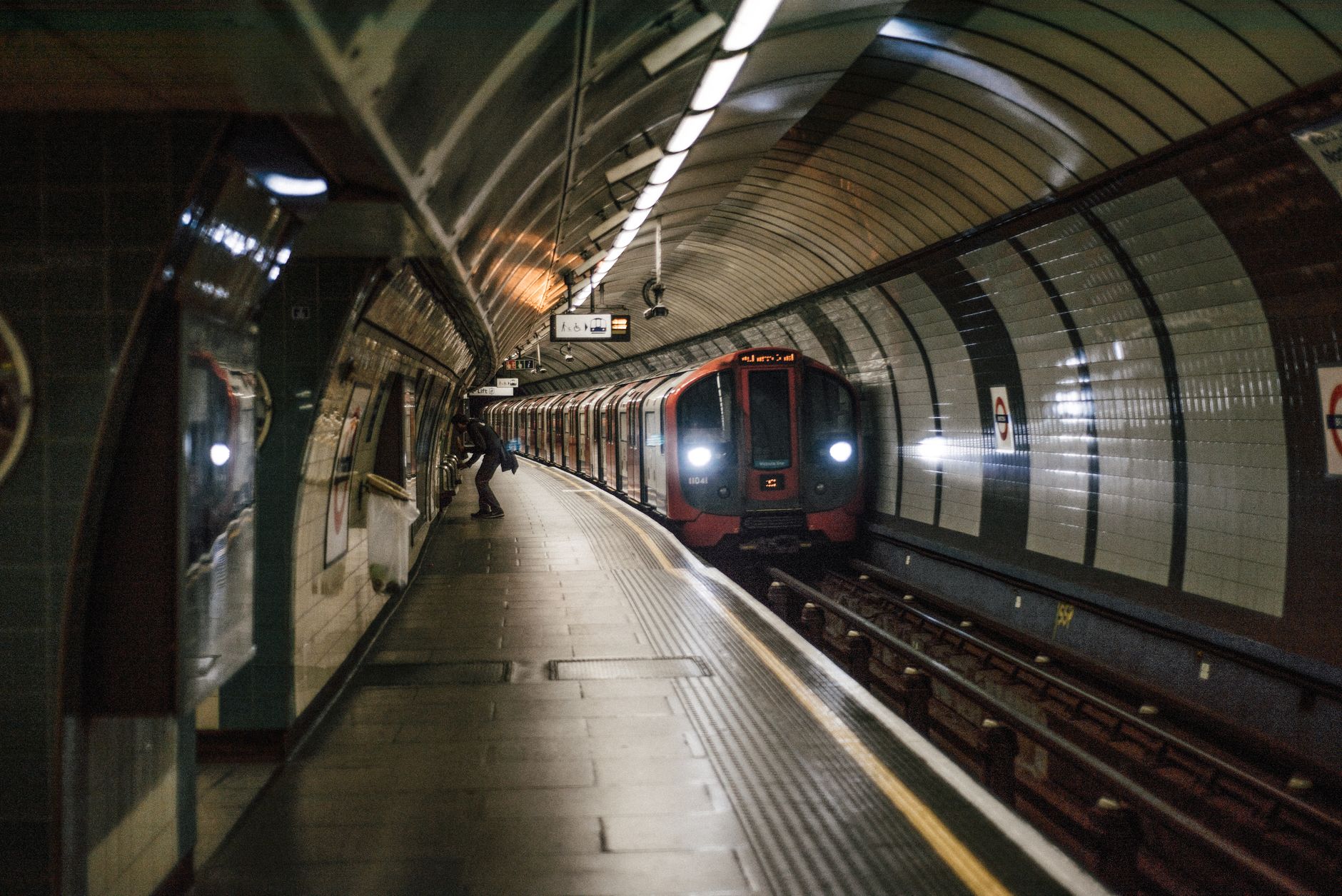
London, 5 March 2026 – Transport for London (TfL) has announced a series of landmark infrastructure developments this week, ranging from renewable energy initiatives to the expansion of orbital rail links. As the statutory body responsible for the capital’s transport system, TfL continues to evolve its operations under the governance of the Greater London Authority Act 1999, balancing historical heritage with modern sustainability targets.
Solar Energy to Power the London Underground
In a significant move towards its 2030 net-zero goals, TfL has appointed SSE Energy Solutions as its primary delivery partner to provide dedicated solar power to the London Underground network. The deal involves the construction of purpose-built solar installations designed to connect directly to the Tube’s private electricity grid. This initiative is expected to significantly reduce carbon emissions by bypassing the national grid for a portion of the network’s high energy demands.
Funding Secured for West London Orbital
TfL, in collaboration with four west London boroughs and the Old Oak and Park Royal Development Corporation (OPDC), has committed £6.65 million to further develop the proposed West London Orbital (WLO) Overground link. This funding will facilitate the next stage of planning for the orbital route, which aims to improve connectivity across the western suburbs without requiring travel through central London zones.
Surge in E-Scooter Demand
New data released by TfL this week reveals a substantial increase in the popularity of the city’s rental e-scooter trial. Between September 2024 and September 2025, demand for the service grew by more than 50% compared to the previous year. Following this success, TfL has officially opened the tender process for “Phase Three” of the trial, seeking operators to manage the next stage of the capital’s micro-mobility expansion.
Key Facts: Transport for London Governance and History
The following table outlines the structural and historical foundations of London’s transport authority based on verified records.
| Category | Details |
|---|---|
| Statutory Basis | Greater London Authority (GLA) Act 1999 |
| Predecessor Body | London Passenger Transport Board (Established 1933) |
| Nationalisation Date | 1 January 1948 |
| Governance | Chaired by the Mayor of London |
| Historical Milestone | Opening of the Thames Tunnel (1843) |
Frequently Asked Questions
Are there any planned closures on the TfL network this month?
Yes, TfL has confirmed several temporary closures across the London Underground and Overground networks throughout March 2026 to facilitate essential maintenance and upgrades. Passengers are advised to check the TfL website before travelling, particularly regarding tram works scheduled in the Mitcham area this weekend.
What is the “Art on the Underground” map?
TfL has recently updated its dedicated art map, which now highlights 26 specific artworks located across the London Underground network. The map includes long-standing installations as well as contemporary pieces unveiled in recent years.
How is TfL funded?
TfL is funded through a combination of passenger fares, government grants, business rate retention, and secondary revenue streams such as advertising and property development. Recent projects, such as the West London Orbital, often involve joint funding ventures with local London boroughs.