
Rising ADHD Diagnoses in Adults: Trends, Treatments, and Challenges
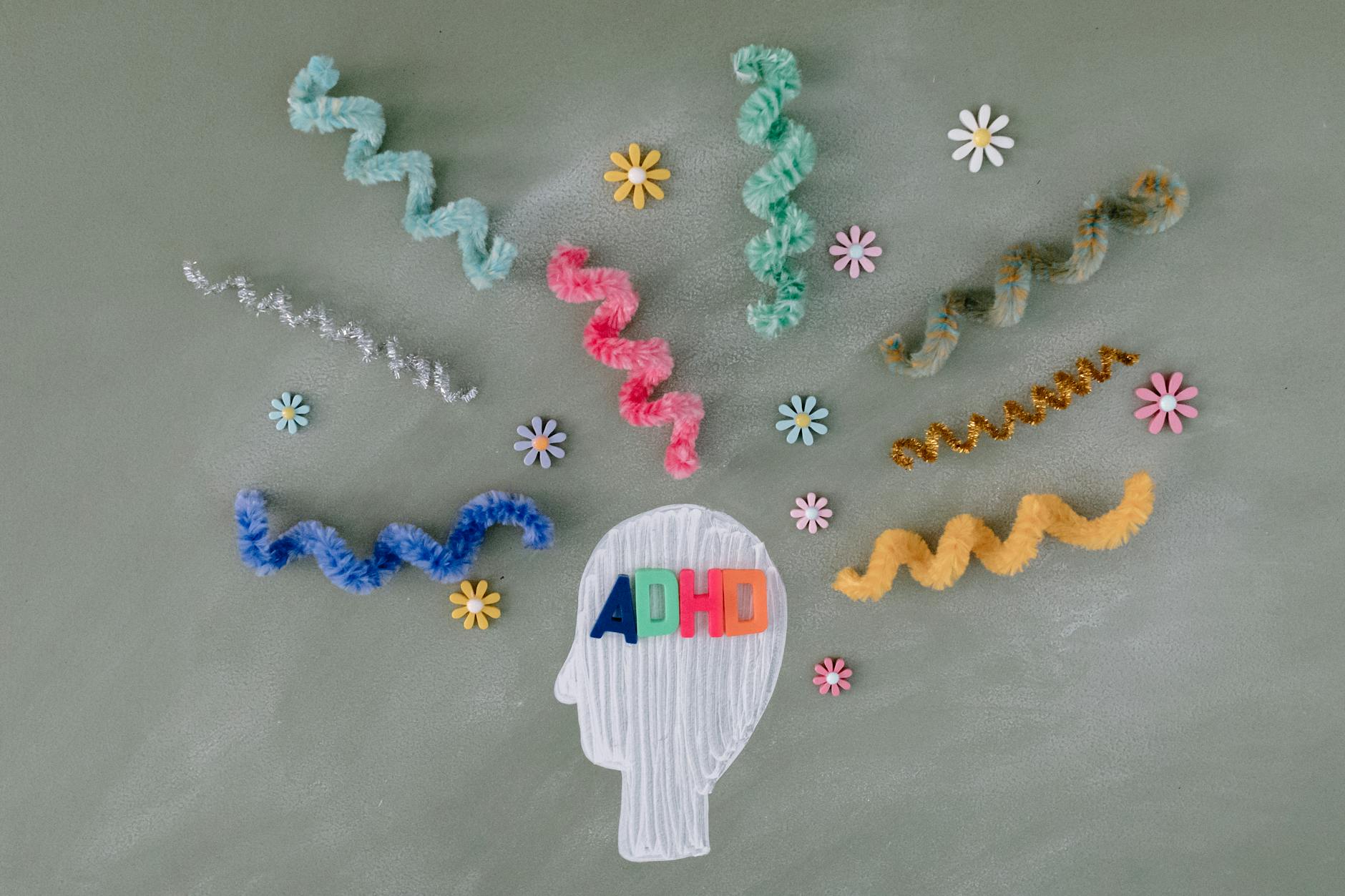
London, 15 January 2026 – Attention deficit hyperactivity disorder (ADHD) is increasingly recognised in adults, with diagnoses rising significantly in recent years. This article examines the latest trends, prevalence, treatment options, and associated challenges, drawing from key studies and reports.
Prevalence and Trends in Adult ADHD
ADHD affects around 3-5% of adults worldwide, with symptoms often persisting from childhood. In the UK, estimates suggest that 3-4% of adults have ADHD, though under-diagnosis remains a concern, with over 80% of affected individuals potentially undiagnosed. In the US, approximately 6% of adults (15.5 million people) reported a current ADHD diagnosis in 2023, with over half receiving their diagnosis in adulthood.
Recent trends show an increase in diagnoses. From 2007 to 2017, ADHD diagnoses among US adults with opioid use disorder rose from 5% to 15%. In the UK, the NHS reported a surge in demand for ADHD assessments, exacerbated by long waiting times. A 2025 NHS Taskforce highlighted that ADHD is under-recognised, with prevalence at 3-5% globally, but lower recognition rates in England compared to other European countries.
Key Facts on ADHD in Adults
| Aspect | Details |
|---|---|
| Global Prevalence | 2-5% in adults; 3-5% in children, with up to 75% persisting into adulthood. |
| UK Estimates | 3-4% of adults; economic costs around £17 billion annually due to untreated ADHD. |
| US Prevalence (2023) | 6% (15.5 million adults); 55.9% diagnosed at age 18 or older. |
| Treatment Rates | Only 25% of children and 15% of adults with ADHD receive pharmacological treatment in the UK; 36.5% of US adults with ADHD receive no treatment. |
| Co-occurring Conditions | Common with autism (14%), anxiety (33%), depression (17%), and substance use disorders. |
Treatment Options and Challenges
Treatments for adult ADHD include pharmacological and non-pharmacological approaches. Stimulants like methylphenidate and atomoxetine are effective for reducing symptoms, but side effects such as nausea and irritability can lead to discontinuation. Cognitive behavioural therapy (CBT) and mindfulness show promise, though evidence for long-term effects is limited.
In the UK, the 2025 NHS Taskforce recommended better training for GPs, digital tools, and early intervention. However, challenges include medication shortages, with 71.5% of US adults reporting difficulty obtaining prescriptions. Telehealth has expanded access, with 46% of US adults using it for ADHD services since 2020.
Non-drug treatments, such as exercise, dietary modifications, and eye movement training, are under research at institutions like King’s College London. Despite this, cost-effectiveness studies are lacking for many interventions in adults.
Frequently Asked Questions
What causes ADHD?
The exact cause is unclear, but it involves genetic factors, environmental influences like prenatal exposure to toxins, and brain differences. It often runs in families and can co-occur with other neurodevelopmental disorders.
How is ADHD diagnosed in adults?
Diagnosis requires a clinical assessment by a specialist, such as a psychiatrist, using criteria from DSM-5 or ICD-11. Symptoms must be present before age 12 and impair functioning. Questionnaires and observations are used, but self-diagnosis alone is insufficient.
What are the risks of untreated ADHD?
Untreated ADHD increases risks of substance misuse, mental health issues, accidents, and reduced life expectancy. It can lead to academic failure, unemployment, and social difficulties.
Can ADHD be treated effectively?
Yes, with a combination of medication, therapy, and lifestyle changes. Early treatment improves outcomes, but long-term efficacy varies, and personalised approaches are essential.