
Premier League Title Race Intensifies as Season Enters Final Stretch
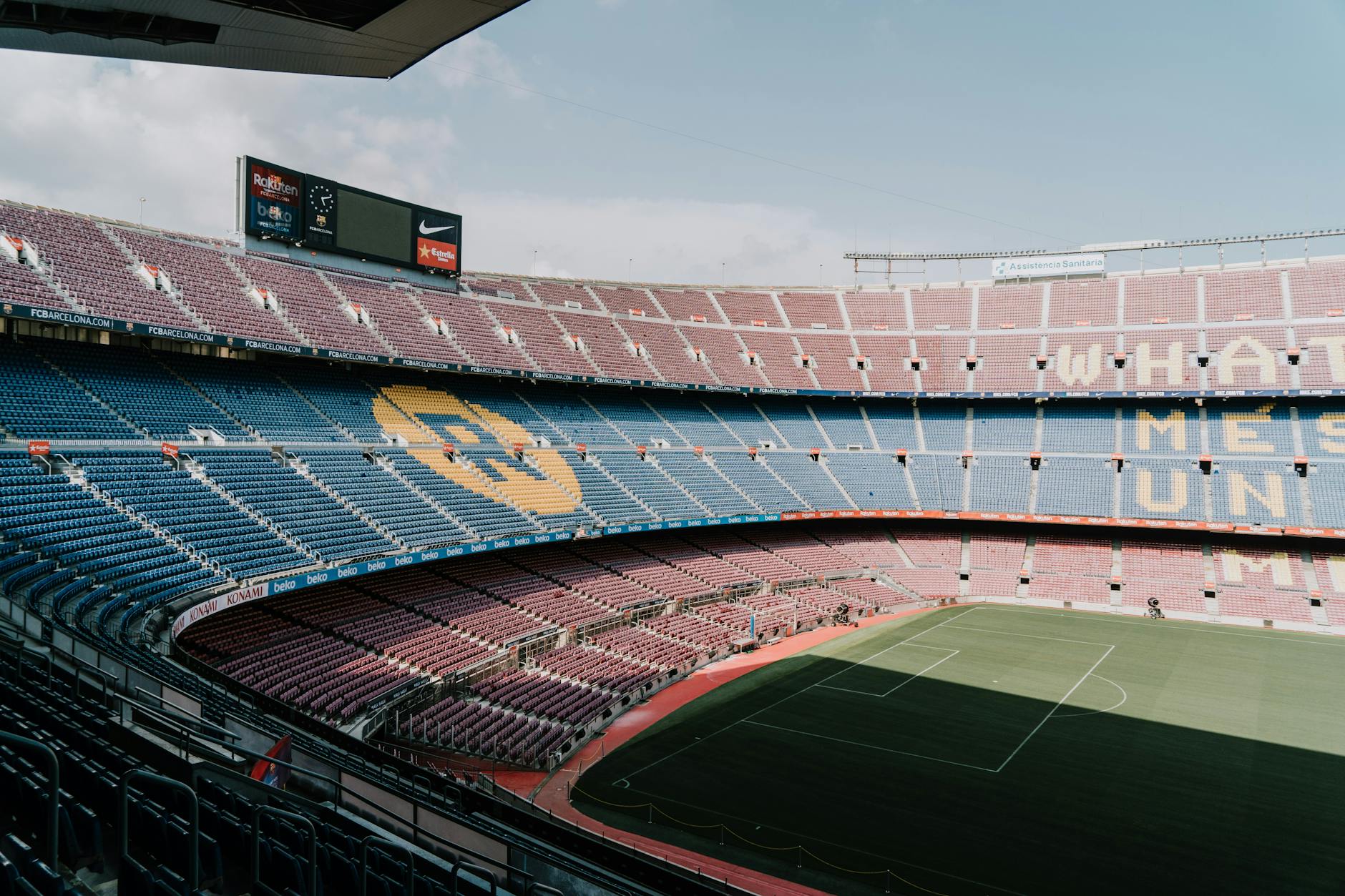
London, 4 March 2026 – The Premier League title race has reached a critical juncture as Arsenal maintain a five-point lead over defending champions Manchester City. With the 2025/26 campaign entering its final months, Mikel Arteta’s side remains the statistical favourite to secure the trophy, though Pep Guardiola’s Manchester City holds a crucial game in hand. Recent results, including Arsenal’s victory over Chelsea on 1 March 2026, have kept the North London club at the summit, despite growing pressure from the chasing pack and scrutiny over officiating standards across the league.
Title Race and Relegation Battle Analysis
As of early March, the battle at both ends of the table is tightening. While Arsenal lead the way, the Opta Supercomputer currently gives the Gunners an 82.71% probability of finishing the season as champions. However, Manchester City’s consistency remains a significant threat. Further down the table, the race for European qualification is complicated by the potential for the Premier League to earn a fifth UEFA Champions League spot for the 2026/27 season, depending on the collective performance of English clubs in European competitions this term.
In the relegation zone, several clubs including Nottingham Forest, West Ham United, and Wolves are fighting to maintain their top-flight status. Analysts suggest that set-piece efficiency and upcoming fixture congestion will be the deciding factors for those “circling the drain” as the season concludes in May.
Premier League: Historical Context and Key Facts
The Premier League was established in 1992, marking a seismic shift in the structure of English football. Since its inception, the league has grown into the most-watched football division globally, transitioning from an initial 22-club format to the current 20-club system.
| Category | Details |
|---|---|
| Founded | 20 February 1992 |
| Inaugural Season | 15 August 1992 |
| Founding Members | 22 Clubs |
| Current Format | 20 Clubs |
| Ever-present Clubs | Arsenal, Chelsea, Everton, Liverpool, Manchester United, Tottenham Hotspur |
| Total Clubs to Compete | 51 (as of the 2025/26 season) |
| Major Rule Changes | Back-pass rule (1992), Transfer window introduced (2002) |
Recent Developments
Beyond the pitch, the Premier League is set to undergo a significant digital transformation. Plans have been unveiled to launch a dedicated streaming service, initially debuting in Singapore later this year. This move signals a potential shift in how the league manages international broadcasting rights, moving towards a direct-to-consumer model.
On the tactical front, Liverpool manager Arne Slot has recently voiced criticisms regarding the current state of the English game. Slot suggested that an “obsession” with set-pieces and physical pressure on goalkeepers has made the league less aesthetically pleasing, sparking a wider debate among pundits and supporters regarding the evolution of Premier League officiating and physicality.
Frequently Asked Questions
How many teams have played in the Premier League?
Since its formation in 1992, a total of 51 different clubs have competed in the Premier League. Only six clubs have remained in the top flight for every single season since the league’s inception.
Will the fifth-placed team qualify for the Champions League?
The Premier League may receive an additional fifth spot for the 2026/27 Champions League season. This depends on England’s finishing position in the UEFA Association Club Coefficients for the current 2025/26 season.
When did the Premier League reduce to 20 teams?
The league originally launched with 22 clubs in 1992. The number of participating teams was reduced to 20 at the end of the 1994/95 season to accommodate a more manageable fixture schedule and align with international standards.