Newark: The Resilient Gateway of the American Northeast
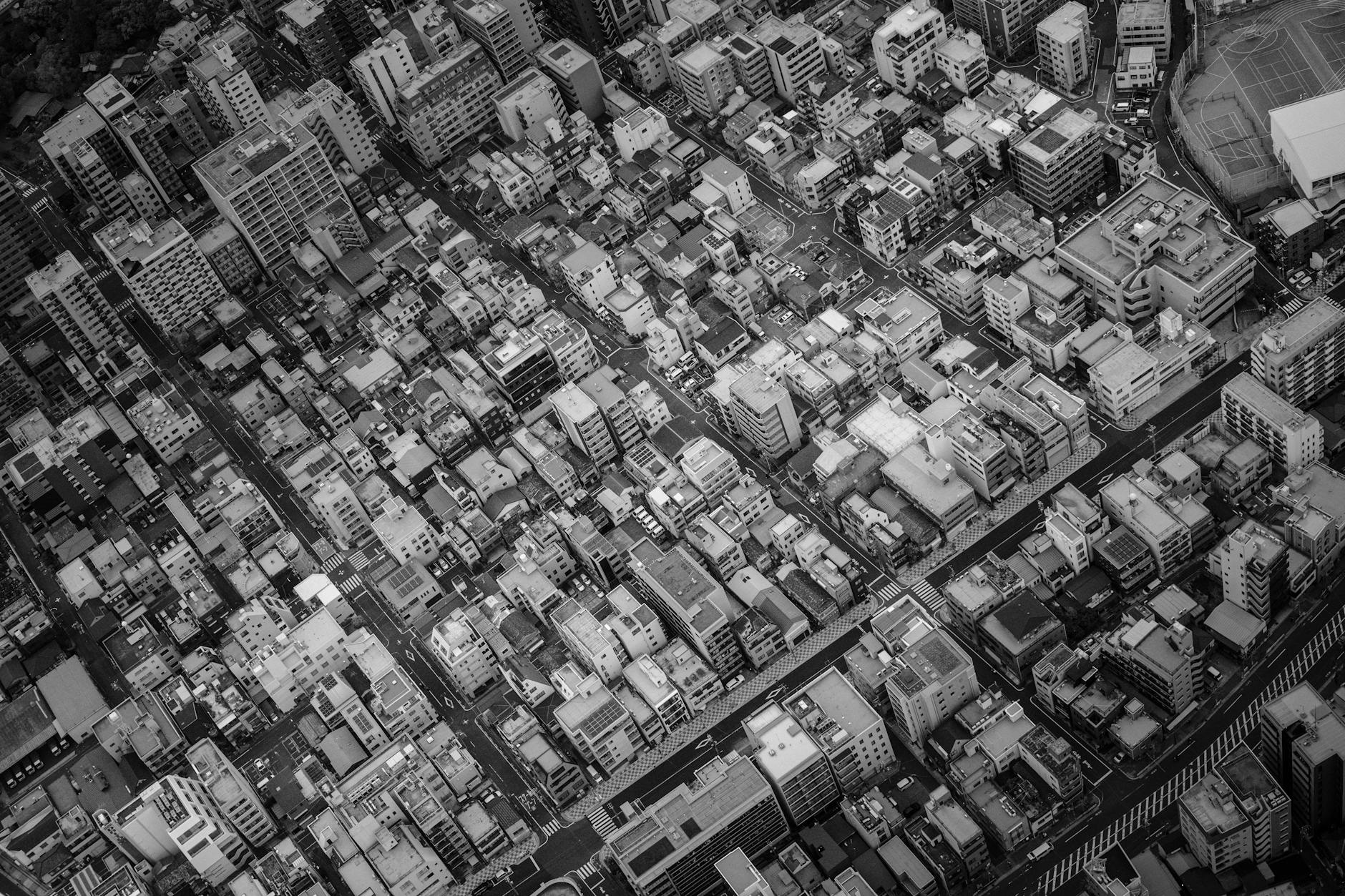
NEWARK, 03 February 2026 — As the largest metropolis in New Jersey, Newark continues to redefine its identity beyond its reputation as a global transport hub. Situated just eight miles west of Manhattan, the “Brick City” is currently experiencing a sustained period of urban renewal, balancing its deep industrial roots with a burgeoning status as a centre for technology, education, and the arts.
A Strategic Hub of Global Connectivity
Newark’s primary economic engine remains its unparalleled infrastructure. Newark Liberty International Airport (EWR), one of the busiest facilities in the United States, serves as a critical link for international commerce. Complementing this is Port Newark-Elizabeth, the principal container ship facility for the New York metropolitan area and the busiest on the East Coast.
The Tech and Education Corridor
In recent years, Newark has successfully courted major corporations and startups alike. The city serves as the global headquarters for Audible and Prudential Financial. This corporate presence is bolstered by a robust academic ecosystem, featuring Rutgers University–Newark, the New Jersey Institute of Technology (NJIT), and Seton Hall University School of Law. These institutions provide a steady pipeline of talent, particularly in the fields of cybersecurity and biotechnology.
Cultural Landmarks and the Arts
Newark boasts a cultural landscape that rivals much larger cities. The Newark Museum of Art, the state’s largest museum, holds a world-class collection of American and Tibetan art. Meanwhile, the New Jersey Performing Arts Center (NJPAC) remains a premier venue for global performers, contributing significantly to the city’s evening economy.
The Ironbound District
No profile of Newark is complete without mentioning the Ironbound. This vibrant, multi-ethnic neighbourhood is world-renowned for its Portuguese, Spanish, and Brazilian influence. Ferry Street serves as the district’s spine, lined with authentic bakeries and rodizio restaurants that draw visitors from across the Tri-State area.
Historical Context and Architecture
Founded in 1666, Newark is one of the oldest cities in the United States. This history is reflected in its diverse architecture, from the Gothic Revival majesty of the Cathedral Basilica of the Sacred Heart—one of the largest cathedrals in North America—to the Art Deco elegance of the Newark Penn Station.
Frequently Asked Questions
Is Newark a safe city for tourists?
Like any major urban centre, safety varies by neighbourhood. The downtown area, the Ironbound, and the University Heights districts are generally well-patrolled and popular with visitors. Standard urban precautions are advised, particularly after dark.
How far is Newark from New York City?
Newark is approximately 8 miles (13 kilometres) from Lower Manhattan. It is highly accessible via the PATH train, NJ Transit, and Amtrak, with travel times to New York Penn Station typically ranging from 20 to 25 minutes.
What is Newark most famous for?
Newark is most famous for its international airport, its historic cherry blossom display in Branch Brook Park (which features more trees than Washington D.C.), and its rich musical heritage, being the birthplace of legends such as Whitney Houston and Sarah Vaughan.
When is the best time to visit?
Spring is widely considered the best time to visit Newark, specifically in April when Branch Brook Park’s 5,000+ cherry trees are in full bloom. Autumn also offers pleasant weather and a full schedule of performances at NJPAC and the Prudential Center.