
London Weather: Record Warmth and Saharan Dust Precede Potential Cold Snap
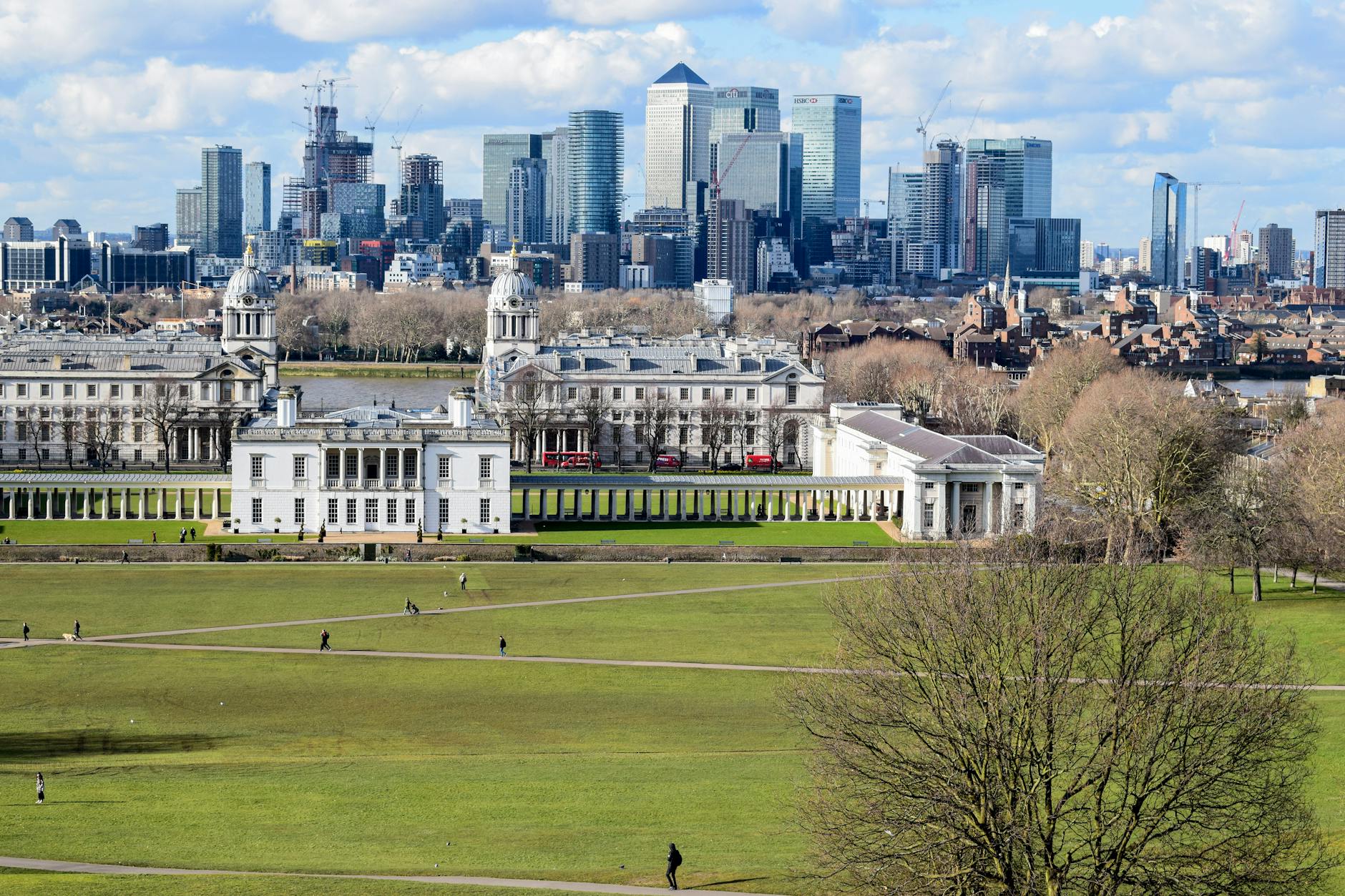
London, 6 March 2026 – The capital is experiencing a week of extraordinary meteorological volatility. Following the warmest day of the year recorded yesterday, Londoners are now being warned of a dramatic shift in conditions. While the city basks in unseasonably mild temperatures, a plume of Saharan dust is expected to affect visibility and air quality, even as long-range forecasts suggest a sharp return to wintry conditions by next week.
Record Temperatures and Saharan Dust
On Thursday, 5 March 2026, London recorded its highest temperature of the year so far. The Met Office confirmed that mercury levels reached 19.2°C at Northolt in West London, significantly above the March average. This mild spell has been accompanied by a Saharan dust plume travelling from North Africa. Experts predict this will result in “blood red” sunrises and sunsets across the capital, though it may leave a coating of fine sand on vehicles following light showers.
However, the mild weather is expected to be short-lived. Forecasters are monitoring a “polar blast” that could bring temperatures down to -2°C, with the potential for snow and blizzards across the South East of England starting early next week. A flood alert also remains a concern for the Greater London area as the Met Office warns of near-constant rainfall in certain sectors over the coming 24 hours.
London Climate Statistics
Despite the recent spike in temperatures, London typically maintains a humid temperate oceanic climate. Rainfall is generally distributed evenly throughout the year, contrary to the city’s reputation for constant rain.
| Metric | Details |
|---|---|
| Annual Average Temperature | 10.8°C (51.4°F) |
| Hottest Month (Average) | July (18°C / 66°F) |
| Coldest Month (Average) | January (5°C / 41°F) |
| Annual Average Rainfall | Approximately 630mm – 690mm |
| Wettest Months | October and November |
| Driest Month | March |
Frequently Asked Questions
What was the hottest temperature recorded in London this week?
The hottest temperature of 2026 so far was recorded on Thursday, 5 March, reaching 19.2°C in Northolt, West London.
Why is the sky turning red in London?
A plume of Saharan dust is currently sweeping across the United Kingdom. When these dust particles are present in the atmosphere, they scatter sunlight in a way that produces vivid red and orange hues during sunrise and sunset.
Is it going to snow in London soon?
While the current weather is mild, meteorological maps indicate a potential eight-day blizzard period approaching the South of England, with temperatures possibly dropping to -2°C by early next week.
When is the best time to visit London for dry weather?
Statistically, March is the month with the least amount of rain. For those seeking longer days and milder walking weather, May, June, and September are highly recommended by travel experts.