
Iftar Dua: Essential Prayers and Significance for Ramadan 2026
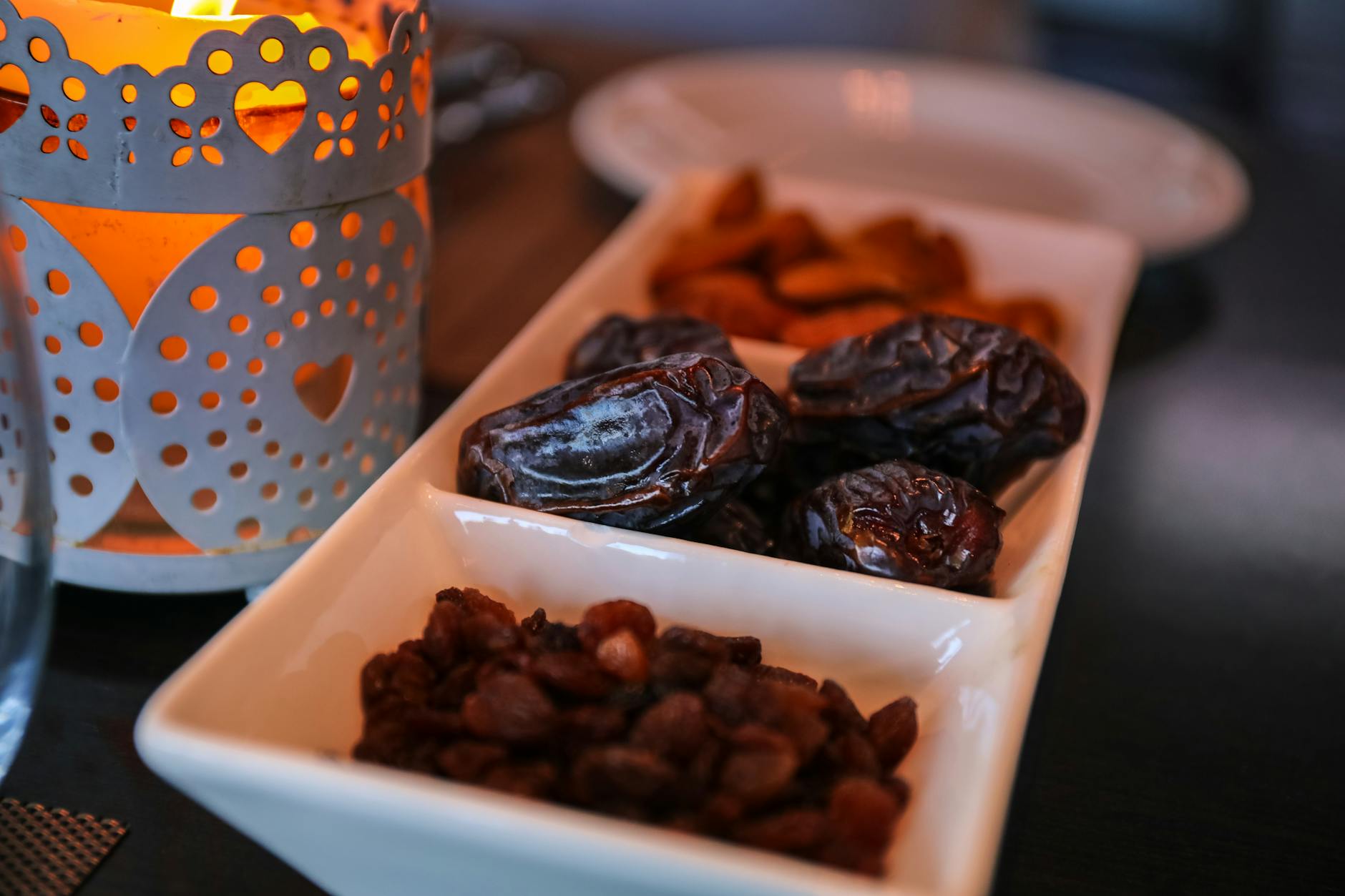
London, 19 February 2026 – As the holy month of Ramadan begins across the globe, millions of Muslims are observing the first fasts of the year 1447 AH. With the crescent moon sighted in Saudi Arabia and other regions on 18 February, today marks the first full day of fasting for many communities, including those in India and parts of North America. Central to the evening ritual is the Iftar Dua, a supplication recited at the moment of breaking the fast to express gratitude and spiritual devotion.
The Primary Iftar Supplications
There are several authentic narrations and traditional prayers recited at the time of Iftar. These prayers serve as a bridge between the physical act of abstaining from food and the spiritual reward promised to the believer.
1. The Common Iftar Dua
This is the most widely recited supplication, focusing on the intention of the fast and reliance on Allah’s provision.
Arabic: اللَّهُمَّ لَكَ صُمْتُ وَعَلَى رِزْقِكَ أَفْطَرْتُ
Transliteration: Allahumma laka sumtu wa ala rizqika aftartu.
English Translation: “O Allah! I fasted for You, and I break my fast with Your sustenance.”
2. The Sunnah Dua (Sahih Abi Dawud)
Many practitioners prefer the supplication reported in the Hadith, which describes the physical relief of breaking the fast.
Arabic: ذَهَبَ الظَّمَأُ وَابْتَلَّتِ الْعُرُوقُ وَثَبَتَ الأَجْرُ إِنْ شَاءَ اللَّهُ
Transliteration: Dhahabadh-dhama’, wabtallatil ‘urooq, wa thabatal ajru inshaa’Allah.
English Translation: “The thirst is gone, the veins are moistened, and the reward is confirmed, if Allah wills.”
Key Facts: Ramadan 2026 Observance
The following table outlines the essential details for the current fasting season based on the latest astronomical sightings and regional calendars.
| Category | Details |
|---|---|
| Ramadan Start Date (Global) | 18 February 2026 (Subject to local moon sighting) |
| First Fast (India/South Asia) | 19 February 2026 |
| Islamic Year | 1447 AH |
| Primary Rituals | Sehri (Pre-dawn meal) and Iftar (Breaking of fast) |
| Spiritual Significance | Taqwa (God-consciousness), Self-discipline, and Charity |
The Significance of the Iftar Moment
In Islamic tradition, the moments immediately preceding Iftar are considered a time when supplications (duas) are readily accepted. Scholars emphasise that this period represents a state of “pure need” and total dependence on the Creator. It is encouraged not only to recite the prescribed Iftar Dua but also to engage in personal prayers for peace, forgiveness, and the well-being of the global community.
Frequently Asked Questions
When exactly should the Iftar Dua be recited?
The Iftar Dua is typically recited at the time of Maghrib (sunset), just before or immediately after consuming the first morsel of food or sip of water. Following the Sunnah, many begin by eating a date or drinking water before reciting the fuller supplications.
What is the difference between Sehri and Iftar Duas?
The Sehri Dua is an expression of intention (Niyyah) made before the fast begins at dawn, whereas the Iftar Dua is a prayer of gratitude and completion recited when the fast ends at sunset.
Is it mandatory to recite the dua in Arabic?
While the Arabic verses are traditional and carry the beauty of the original texts, the essence of the prayer is the intention. Muslims may recite the translation in English or any other language to ensure they understand the profound meaning of the words they are offering.