
Escalating Tensions in Global Oil Tanker Shipping
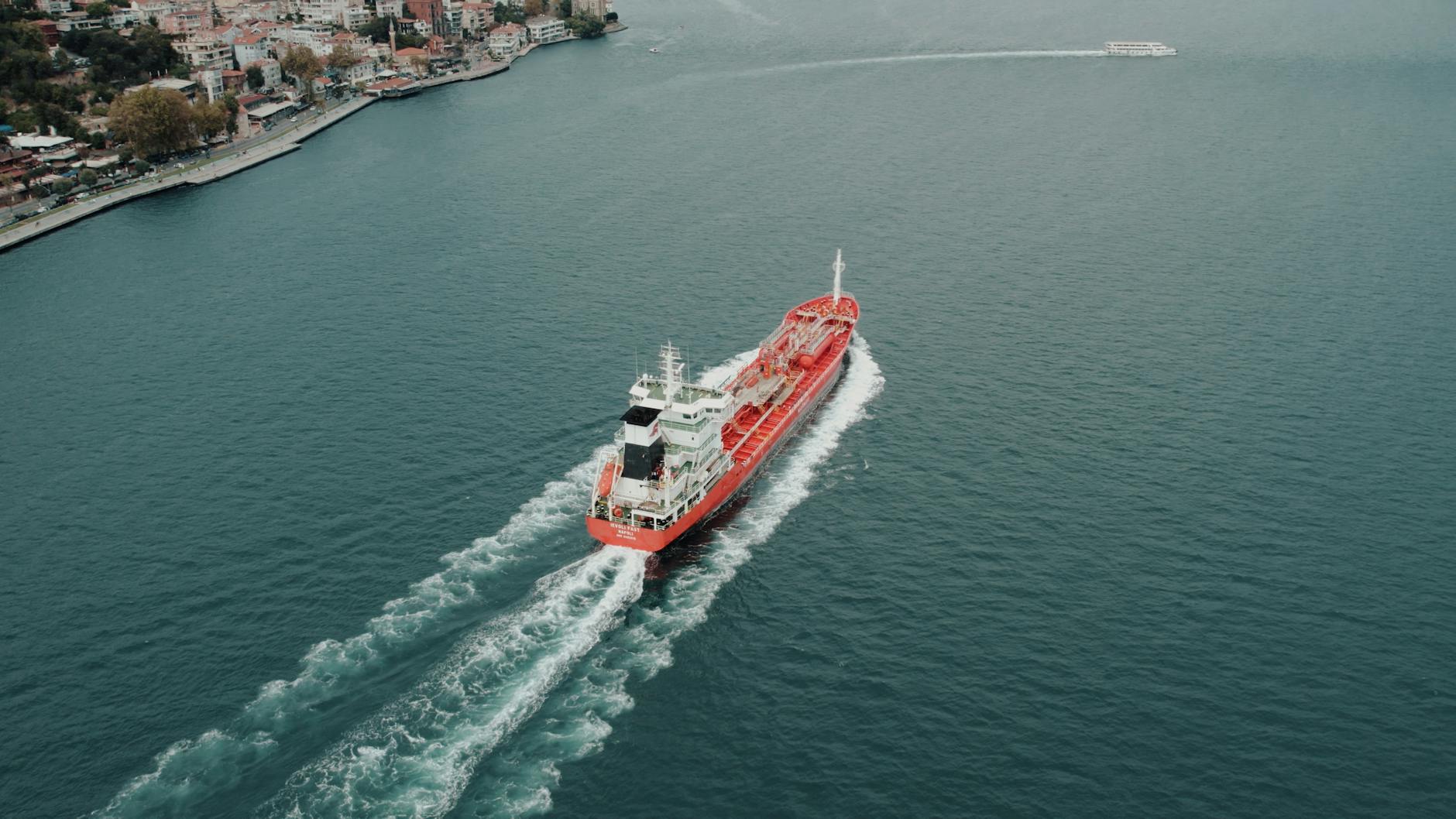
London, 7 January 2026 – Recent Ukrainian drone strikes on Russian oil tankers in the Black Sea have heightened maritime risks, while US efforts to intercept Venezuelan tankers flagged under Russian protection have sparked international standoffs. These developments underscore the growing challenges facing Russia’s shadow fleet and the broader implications for oil revenues funding conflicts.
Ukrainian Attacks on Russian Tankers in the Black Sea
Ukraine escalated its campaign against Russian oil exports in late 2025, targeting vessels linked to Russia’s shadow fleet with Sea Baby drones. In November and December 2025, Ukrainian forces struck multiple tankers, including the Gambian-flagged Kairos and Virat, which caught fire off the Turkish coast while en route to the Russian port of Novorossiysk. These attacks, verified by footage showing drones detonating against the ships, aimed to disrupt Russia’s oil revenues, a key funding source for its war in Ukraine.
Earlier in December 2025, Ukraine hit the Serbian-flagged Dashan tanker, causing it to erupt in flames. A Russian Shahed drone retaliated by striking the Turkish-owned CENK-T cargo ship in Chornomorsk port, marking the first direct retaliation. President Vladimir Putin had previously warned of cutting Ukraine off from the sea in response to such actions. Additionally, a major oil spill occurred on 15 December 2024 when two Russian tankers collided in the Kerch Strait, spilling over 9,000 tonnes of heavy oil and highlighting environmental risks from the ageing shadow fleet.
These incidents prompted some Russian tankers to take longer routes, adding up to 70 per cent more distance to avoid drone threats, according to ship-tracking data. Exports from Black Sea ports like Novorossiysk fell below planned levels in November 2025 due to weather, attacks, and infrastructure damage.
US Blockade and Pursuit of Venezuelan Tankers
In a parallel development, the US imposed a blockade on sanctioned oil tankers tied to Venezuela in December 2025, declaring the regime a terrorist organisation. The US Coast Guard pursued the Marinera (formerly Bella 1), a Venezuelan tanker that switched to Russian registry and flew a Russian flag for protection. Despite failed boarding attempts, the vessel evaded interception, heading towards the North Atlantic with reports of Russian naval escorts, including a submarine.
As of early January 2026, the Marinera remained empty and was tracked about 300 miles south of Iceland, en route to Murmansk, Russia. The US Southern Command stated it was ready to support interception, while Russia monitored the situation with concern. At least 16 sanctioned tankers have evaded the blockade by disguising locations or disabling signals, though only two have been intercepted so far.
These actions reflect broader US sanctions on vessels transporting Iranian and Russian oil, with President Donald Trump announcing plans to seize more tankers. Meanwhile, India’s state-owned refiners continued purchasing Russian crude through non-sanctioned suppliers in late 2025.
Key Facts and Statistics on Russian Oil Exports
| Export Route | 2023 Volume (Million Tonnes) and Change |
|---|---|
| China via pipeline | 40 million tonnes; no change |
| Black Sea via tankers | 30 million tonnes; +3.1% |
| Baltic Primorsk via tankers | 44.4 million tonnes; +6.5% |
| Baltic Ust-Luga via tankers | 34 million tonnes; +9.0% |
| Pacific Kozmino via tankers | 42.8 million tonnes; +9.4% |
| Druzhba pipeline to Europe | 10 million tonnes; -60.0% |
| Overall exports | Down 6.5%; over 90% to China and India |
| Shadow fleet share in September 2025 | 69% of crude oil exports; 112 shadow tankers used |
| Shadow fleet in August 2025 | 53% of shipments on shadow tankers; 125 vessels |
Frequently Asked Questions
What is Russia’s shadow fleet?
Russia’s shadow fleet consists of over 500 ageing tankers, many bought second-hand for about $14 billion, dedicated to transporting oil while avoiding Western sanctions. These vessels often use false flags and lack ties to Western insurance, but they face increasing risks from attacks and sanctions.
Why are Ukrainian attacks targeting Russian tankers?
Ukraine views these strikes as a way to reduce Russia’s oil revenues, which fund its invasion. The attacks are part of an armed conflict, assessed under naval warfare laws, and have led to retaliatory actions from Russia.
What are the implications of the US blockade on Venezuelan tankers?
The blockade aims to prevent sanctioned oil shipments, with the US seizing vessels like the Skipper. It has prompted tankers to seek Russian protection, potentially leading to maritime standoffs and complicating international oil trade.