Benin in 2026: A Nation at a Crossroads of Democracy, Growth, and Culture
LONDON, 23 January 2026 – The West African nation of Benin presents a complex portrait as it enters 2026. The country, often hailed as a beacon of stability, has recently navigated a significant political transition with parliamentary elections, continues to build upon remarkable economic growth, and remains a destination of profound cultural heritage. However, this progress unfolds against a backdrop of regional insecurity and the lingering shadow of a failed coup attempt just over a year ago.
Political Landscape: Elections After Instability
The political scene in Benin was dominated by the parliamentary elections held on 11 January 2026. Preliminary results indicate a decisive victory for the two parties allied with outgoing President Patrice Talon. The Progressive Union Renewal (UPR) and the Republican Bloc (BR) are projected to have won all 109 seats in the National Assembly, effectively consolidating the ruling coalition’s power as the country prepares for a presidential transition in April.
This election followed a period of significant tension. On 7 December 2025, a faction of soldiers led by Lieutenant Colonel Pascal Tigri launched a coup attempt, seizing the state broadcaster in Cotonou and declaring the dissolution of government. The mutineers, calling themselves the Military Committee for Refoundation (CMR), cited grievances including military favouritism, a deteriorating security situation in the north, and economic hardship. The attempt was quelled within hours by loyalist forces, with support from regional allies via the Economic Community of West African States (ECOWAS). President Talon later appeared on television to declare the coup a failure, promising to punish “this treachery.”
Key Facts & Recent History
| Category | Details |
|---|---|
| Head of State | President Patrice Talon (since April 2016). Constitutionally term-limited, due to leave office after April 2026 elections. |
| 2026 Parliamentary Election | Held 11 January. Provisional results show a clean sweep for pro-Talon parties (UPR & BR), winning all 109 seats. |
| 2025 Coup Attempt | 7 December 2025. Led by Lt. Col. Pascal Tigri. Thwarted by loyalist forces and ECOWAS intervention. Over 30 suspects arrested. |
| Security Challenge | Northern Benin faces a severe threat from Al-Qaeda-affiliated Jama’at Nusrat al-Islam wal-Muslimin (JNIM). April 2025 saw the deadliest attack on Beninese forces, with 54 soldiers killed. |
| Economic Growth (2024) | GDP growth reached 7.5%, the highest since 1990, driven by services and industry. |
| 2025-27 Economic Forecast | Growth projected to average 7.1%. Poverty rate expected to fall to 22.3% by 2027. |
| Primary Tourist Attractions | Pendjari National Park (wildlife), Ouidah (Vodun history & slave route), Ganvie (stilt village), Abomey (Royal Palaces). |
Economic Resilience and Ambitious Reform
Benin’s economy stands out as a regional success story. According to the World Bank, growth hit 7.5% in 2024, fuelled by a booming services sector and industrial expansion centred on the Glo-Djigbé Industrial Zone (GDIZ). The government’s National Development Plan (PAG II) has driven significant investment in infrastructure, including the modernisation of the Port of Cotonou. The International Monetary Fund (IMF) concluded its Extended Fund Facility programme with Benin in late 2025, praising the country’s “sound macroeconomic policies” and “structural transformation of the economy.” Growth for 2025 is estimated at 7.0%.
This growth has enabled fiscal consolidation, with the deficit meeting the West African Economic and Monetary Union (WAEMU) target of 3% of GDP. However, challenges remain, including a large informal sector, dependence on transit trade with neighbours like Niger, and the need to further mobilise domestic revenue to finance development and strengthen social safety nets.
Cultural Heritage and Tourism
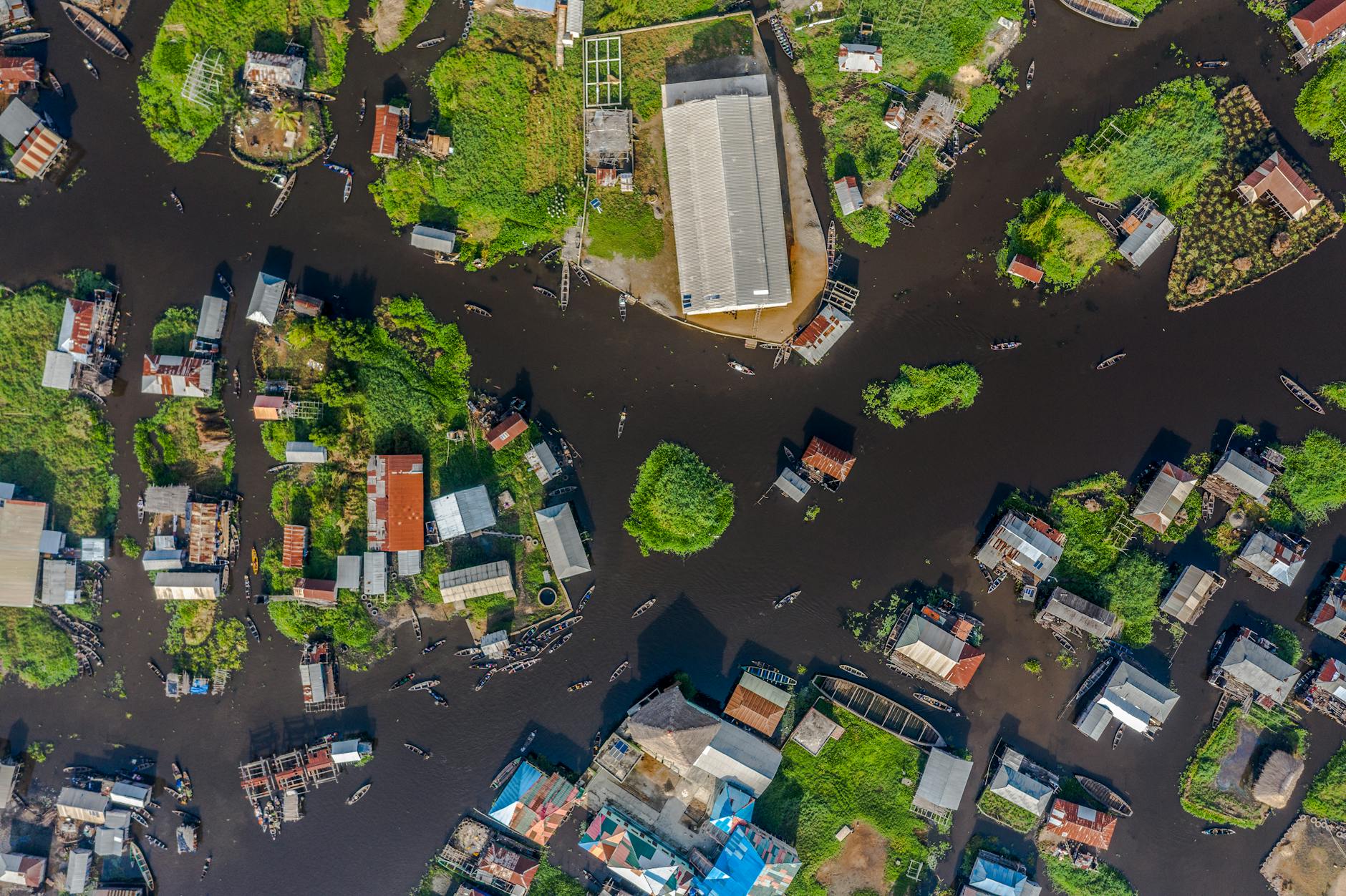
Beyond politics and economics, Benin is a country of deep cultural significance. Recognised as the birthplace of Vodun (Voodoo), it offers unique historical experiences. Key sites include the Route des Esclaves and the Door of No Return in Ouidah, which memorialise the transatlantic slave trade, and the UNESCO World Heritage Royal Palaces of Abomey. For nature enthusiasts, Pendjari National Park in the north is one of West Africa’s premier wildlife reserves, home to lions, elephants, and hippos. The lakeside stilt village of Ganvie, built centuries ago by communities seeking refuge, remains a major attraction.
The government has actively promoted tourism as a pillar of economic diversification, with Lonely Planet listing Benin among its must-see destinations. The sector offers a blend of cultural immersion, historical education, and ecological adventure.
Frequently Asked Questions
Was the 2025 coup in Benin successful?
No. The coup attempt on 7 December 2025 was thwarted within hours by loyalist Beninese Armed Forces, with logistical and political support from ECOWAS and France. President Patrice Talon remained in power, and the ringleaders were arrested or fled abroad.
Who is likely to be the next president of Benin?
President Patrice Talon is constitutionally barred from a third term. His party has nominated former Finance Minister Romuald Wadagni as its candidate for the presidential election scheduled for April 2026. The main opposition party, Les Démocrates, faced hurdles in registration but remains a key political force.
Is Benin safe for tourists?
Major tourist centres in the south, such as Cotonou, Ouidah, and Ganvie, are generally considered safe. However, the northern regions, particularly areas bordering Burkina Faso and Niger, face a significant threat from jihadist terrorism. Travellers are advised to stay informed of government travel advisories and avoid the northern border areas.
What is driving Benin’s strong economic growth?
Growth is driven by substantial public investment in infrastructure, the development of industrial zones like the GDIZ for cotton processing, a resilient agricultural sector, and a thriving services industry. Effective fiscal management and programmes with international financial institutions have also provided stability.