
King Charles Declines to Crown a Winner in the Great Jollof Rice Debate
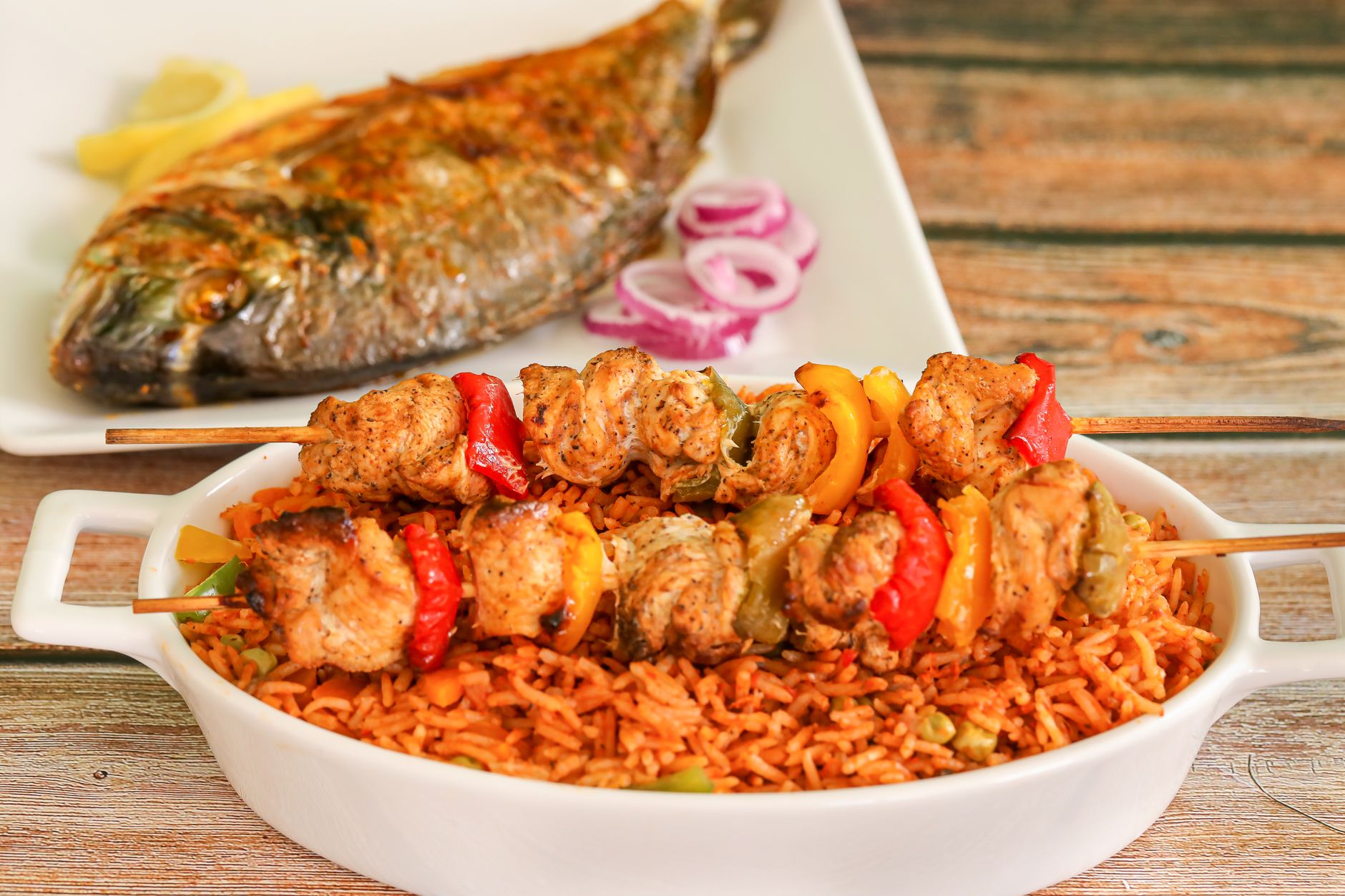
London, 19 March 2026 – The long-standing and fiercely contested debate over which West African nation produces the superior jollof rice has received a royal, albeit diplomatically neutral, commentary. King Charles III recently joked that he could not be drawn on whether the best version of the iconic dish hailed from Nigeria, Ghana, or Senegal during a state banquet. His light-hearted remarks have reignited the friendly rivalry online, even as cultural celebrations of the dish continue to flourish globally.
The Royal Banquet Remarks
During a state banquet held this week for Nigerian President Bola Tinubu, King Charles III waded into one of West Africa’s most passionate culinary discussions. In a humorous segment of his speech, the King declared he could not recall which country was famed for the best jollof, playfully sidestepping the issue. However, in a separate reported comment, he noted he had been “assured that Nigerian jollof rice is the best” during a recent gathering. The remarks, widely shared on social media, have sparked fresh waves of national pride and banter amongst enthusiasts from across the continent and its diaspora.
A Dish Steeped in History
Jollof rice is far more than a mere meal; it is a cultural cornerstone with a rich history. The dish is believed to have originated in the Senegambia region of West Africa between the 14th and 16th centuries, within the ancient Wolof (or Jolof) Empire. Its creation is linked to the introduction of key ingredients like tomatoes and peppers to Africa in the early 15th century. From this shared origin, distinct national variations have evolved, each claiming culinary supremacy.
Key Facts: Jollof Rice
The table below outlines the core facts and common variations of this celebrated dish.
| Category | Details |
|---|---|
| Origin | Senegambia region (modern-day Senegal, The Gambia), Wolof Empire, 14th-16th centuries. |
| Core Ingredients | Long-grain rice, tomatoes, onions, chillies, and a blend of spices. |
| Common National Variations |
|
| Cultural Significance | A staple at celebrations and a major point of friendly rivalry and national pride across West Africa. |
Recent Celebrations & Competitions
The passion for jollof rice continues to drive events worldwide. The Wikimedia Ghana User Group marked Wikipedia’s 25th anniversary with a nationwide “Jollof party” in January 2026. Furthermore, the “Jollof Festival 2025” season is being promoted as the “ultimate clash of culinary titans,” with cook-offs and competitions featured at recent West African food festivals in Lagos, where The Gambia Chef Association reportedly claimed a victory.
Frequently Asked Questions
Which country invented jollof rice?
Historical consensus points to the dish originating in the Senegambia region, within the Wolof Empire, between the 14th and 16th centuries. This area encompasses modern-day Senegal and The Gambia.
What is the main difference between Nigerian and Ghanaian jollof?
The primary differences often cited are the type of rice used and the cooking method. Nigerian jollof traditionally uses long-grain rice and is prized for its deep, smoky flavour, while Ghanaian jollof frequently uses basmati rice and may include additional vegetables.
Is there a World Jollof Rice Day?
Yes, 21 August has been recognised by many as World Jollof Rice Day, a date celebrated by enthusiasts to honour the dish.