
Iftar 2026: Community and Tradition as Ramadan Begins Across the UK
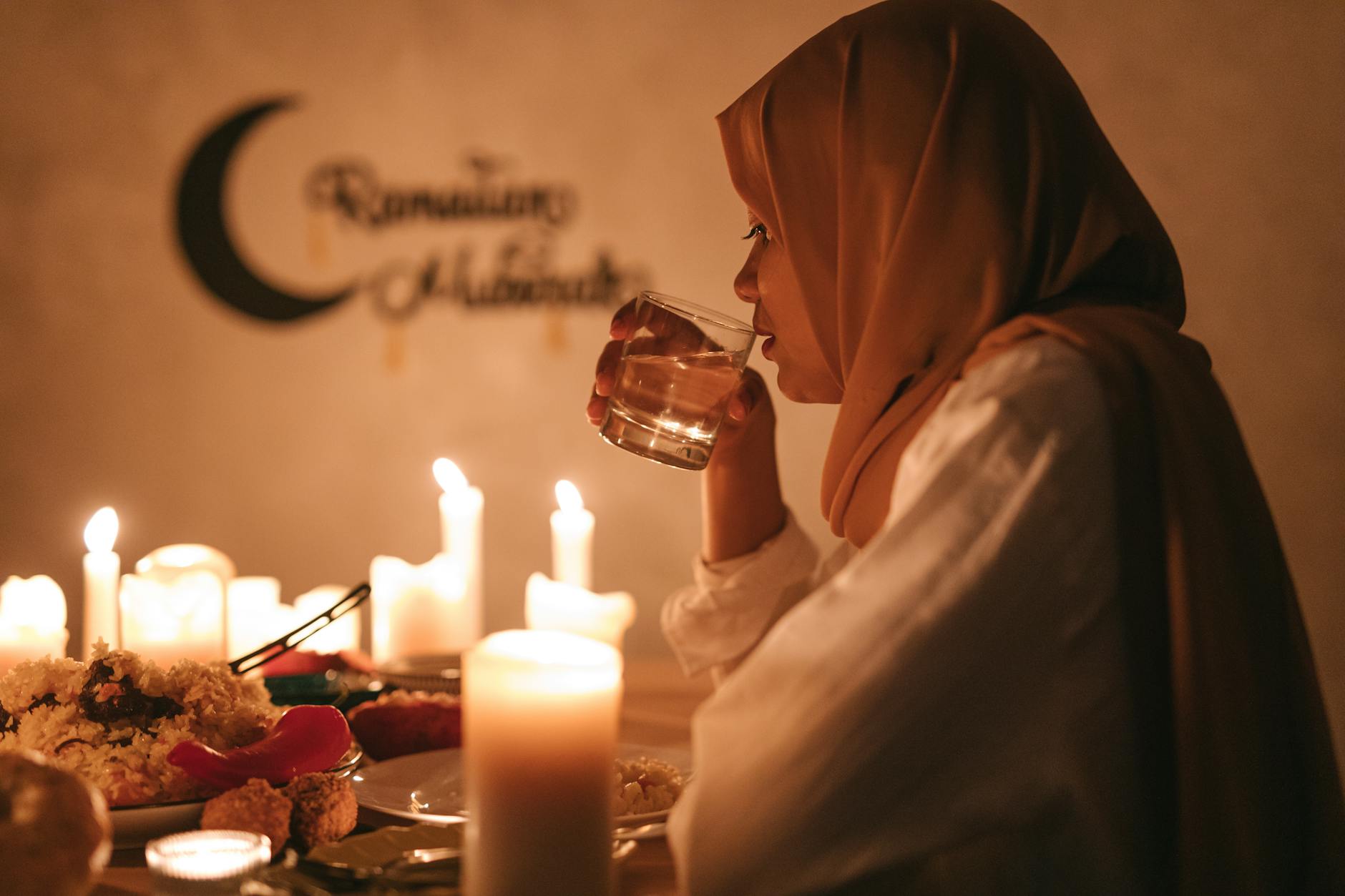
London, 23 February 2026 – As the holy month of Ramadan 1447 AH enters its first full week, Muslim communities across the United Kingdom are gathering for Iftar, the evening meal that breaks the daily fast. Following the sighting of the crescent moon on 17 February 2026, fasting officially commenced on Wednesday, 18 February. Iftar, which occurs at sunset (Maghrib), serves as a vital moment of spiritual reflection, gratitude, and communal unity.
The Significance of the Meal
Iftar is more than a culinary event; it is the religious observance of breaking the fast maintained from dawn (Suhoor). Traditionally, the fast is broken with dates and water, following the practice of the Prophet Muhammad, before moving to a larger festive meal. In the UK, this period has increasingly become a time for “Open Iftars,” where mosques and community centres invite people of all faiths to share food and foster interfaith dialogue.
Key Dates and Timings for Ramadan 2026
The following table outlines the essential schedule for the start of the 2026 Ramadan period in the United Kingdom based on current astronomical sightings and mosque announcements.
| Event / Date | Details |
|---|---|
| Ramadan Start Date | Wednesday, 18 February 2026 |
| First Iftar Time (London) | 17:28 (approximate) |
| Expected Eid ul-Fitr | Friday, 20 March 2026 |
| Traditional Foods | Dates, Pakoras, Samosas, Lentil Soup (Shorba), and Fruit Chaat |
| Community Events | Open Iftar at King’s College; England Boxing Iftar (1 March) |
Regional Observances and Culinary Trends
Across the country, local businesses and institutions are marking the month with specialised offerings. In London, the “Ramadan Delights” food trail has returned to the West End, supporting local halal businesses near the Ramadan Lights displays. Restaurants in the capital, such as Ta’mini Lebanese Bakery, have introduced dedicated Iftar menus featuring traditional Levant dishes like hummus, falafel, and lamb tagine.
In Cambridge, the Central Mosque and the Cambridge Mosque Council have coordinated prayer schedules, while King’s College is hosting free Open Iftar events to unite the local student and resident populations. Internationally, British-based charities like Islamic Relief and Turkish humanitarian organisations have launched appeals to deliver Iftar meals to civilians in conflict zones, including Gaza and Syria.
Frequently Asked Questions
What is the difference between Suhoor and Iftar?
Suhoor is the pre-dawn meal consumed before the sun rises and the fast begins. Iftar is the meal consumed directly after sunset to break the fast.
Why does the date of Iftar change every year?
The Islamic calendar is lunar, meaning it is approximately 10 to 11 days shorter than the Gregorian solar calendar. Consequently, Ramadan and the timing of Iftar rotate through the seasons over a 33-year cycle.
Can non-Muslims attend an Iftar?
Yes. Many mosques and community organisations across the UK host “Open Iftars” specifically designed to welcome neighbours, colleagues, and those of other faiths or no faith to experience the breaking of the fast and learn about Islamic traditions.