
Understanding the Hammer in Curling: Rules and Strategic Importance
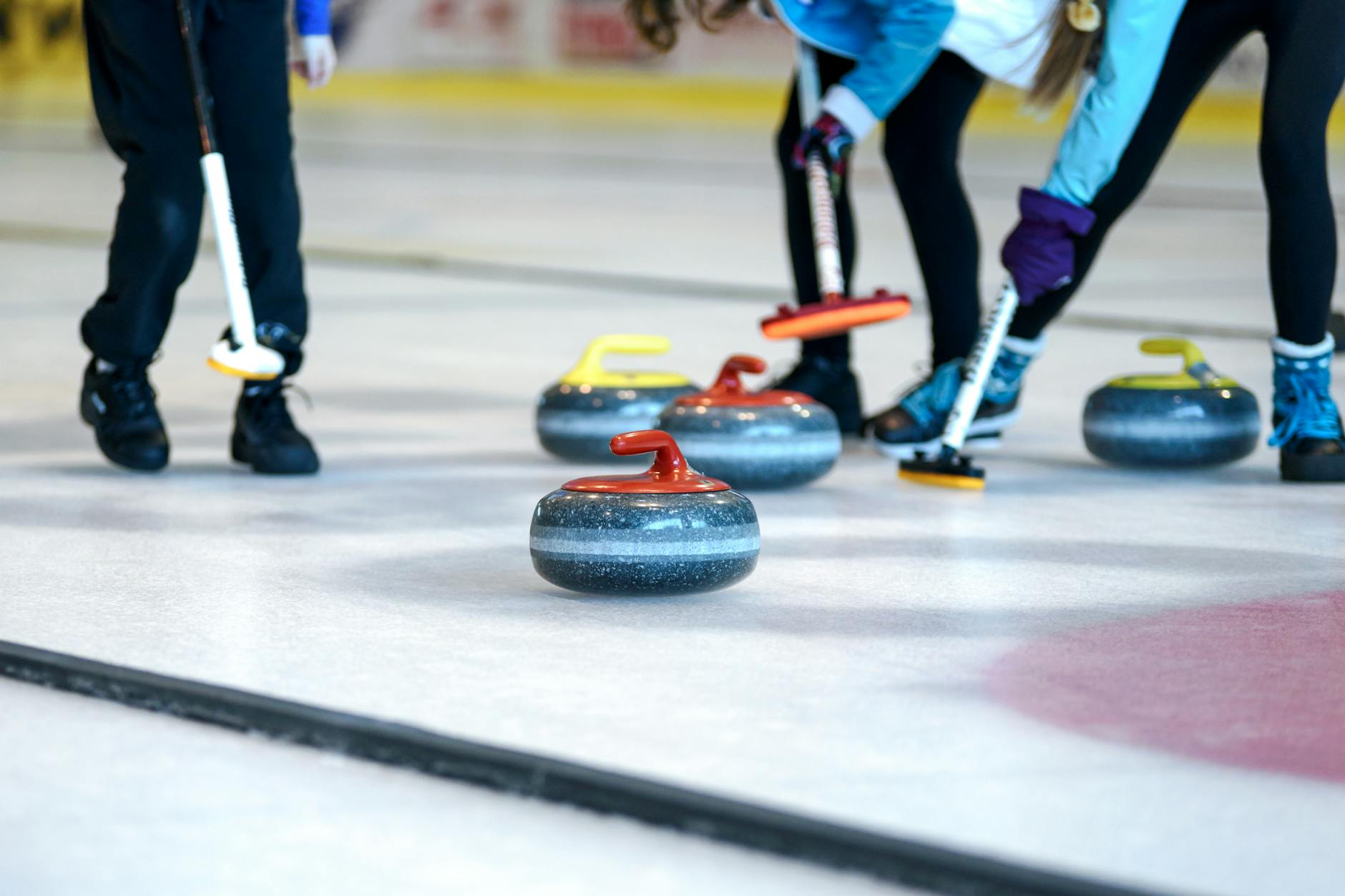
London, 9 February 2026 – As the Milano Cortina 2026 Winter Olympics progress, viewers worldwide are tuning in to the tactical battle on the ice. Central to the strategy of every match is “the hammer”, a term that defines the flow of play and often determines the victor of an end. In the high-stakes environment of Olympic competition, understanding how this advantage is gained and utilised is essential for any spectator.
What is the Hammer?
In curling, the hammer refers to the right to deliver the final stone of an end. Because the team with the hammer has the last opportunity to influence the house and the final score, it is considered a significant tactical advantage. This final stone allows a team to “brute-force” a point, remove an opponent’s scoring stone, or promote their own stone into a scoring position after all other rocks have been played.
How the Hammer is Determined
The allocation of the hammer changes throughout a match based on the following criteria:
- The Opening End: In championship and Olympic play, the hammer for the first end is decided by a “Last Stone Draw” (LSD). Before the match, two players from each team deliver a stone towards the button; the team with the shortest cumulative distance from the centre wins the hammer. In casual play, this may be decided by a coin toss.
- Subsequent Ends: The hammer is awarded to the team that did not score in the previous end. If a team scores points, they “lose” the hammer for the next end.
- Blank Ends: If no points are scored in an end (a “blank end”), the team that held the hammer retains it for the following end.
Strategic Advantage and the “Power Play”
Possessing the hammer allows a team to play more aggressively, as they know they have the final word. Conversely, the team without the hammer (playing “small”) often employs defensive strategies, such as placing guards to make it difficult for the hammer team to reach the centre of the house. In Mixed Doubles competition, teams can also utilise a “Power Play” once per game when they have the hammer, which moves the pre-placed stones to the sides to create more open scoring lanes.
Key Facts: The Hammer at a Glance
The following table outlines the essential mechanics of the hammer advantage in professional curling.
| Category | Details |
|---|---|
| Definition | The final stone delivered in a single end. |
| Primary Benefit | The ability to score or clear the house with the last shot. |
| Initial Allocation | Decided by a “Draw to the Button” shootout before the match. |
| Transfer of Power | Passes to the opponent if the current holder scores points. |
| Retention | Kept by the current holder if the end is “blanked” (zero score). |
Frequently Asked Questions
Why is it called the hammer?
The term originates from the idea of having the final “blow” or the ability to strike the last stone with force to secure a score, much like a hammer driving home a nail.
Is it better to have the hammer or the points?
While the hammer is a major advantage, the ultimate goal is point accumulation. In professional play, a team with the hammer generally aims to score at least two points. If they can only score one, they may choose to “blank” the end to keep the hammer for the next end in hopes of a higher score later.
What happens if the game goes to an extra end?
In the event of a tie after the regulation number of ends, an extra end is played. The hammer for this final end is awarded to the team that did not score in the final regulation end.